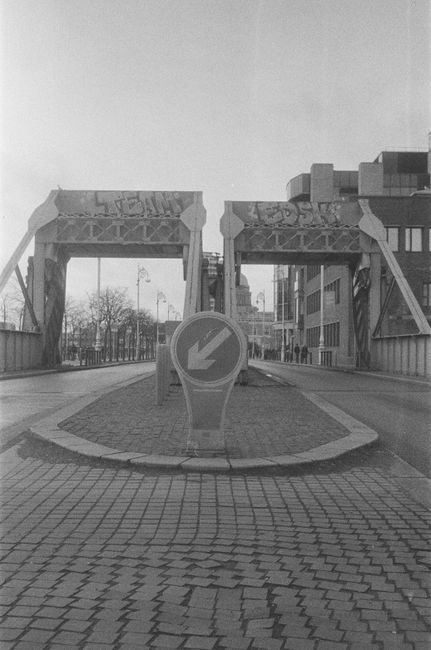
Kingston Bridge removals guide for narrow access moves
If you are planning a move around Kingston Bridge and the streets feel a bit too tight for comfort, you are not imagining it. Narrow access moves need more than a strong pair of arms and a van parked somewhere nearby. They need careful timing, the right vehicle, sensible packing, and a plan for the awkward bits: shared driveways, low-hanging branches, tight corners, awkward stairwells, and the old favourite, nowhere obvious to stop.
This Kingston Bridge removals guide for narrow access moves is here to make that process feel less chaotic and far more manageable. Whether you are moving a flat, a family home, or a small office, the goal is simple: reduce delays, protect your belongings, and keep the move calm enough that you can still find the kettle when you need it. Truth be told, that is half the battle.
You will find practical steps, common mistakes, helpful comparisons, and a realistic look at what matters most when access is tight. We will also touch on trusted service options like man and van support, home moves, and packing and unpacking services where they fit naturally into the job.
Table of Contents
- Why narrow access matters around Kingston Bridge
- How a narrow access move works in practice
- Key benefits and practical advantages
- Who this is for and when it makes sense
- Step-by-step guidance
- Expert tips for better results
- Common mistakes to avoid
- Tools, resources and recommendations
- Law, compliance, standards, or best practice
- Options, methods, or comparison table
- Case study or real-world example
- Practical checklist
- Conclusion
- Frequently asked questions
Why Kingston Bridge removals guide for narrow access moves Matters
Narrow access can turn a straightforward move into a slow, tiring puzzle. Around Kingston Bridge, that can mean busy roads, tighter side streets, limited stopping space, and the kind of residential access where a regular-size removal truck may simply be too much vehicle for the job. Even if the distance from door to van looks short on paper, real life is less forgiving.
What makes these moves tricky is not just the width of the road. It is the whole chain of small constraints. Can the vehicle reach the property safely? Is there space to load without blocking traffic? Are the stairs steep or turning sharply? Can a sofa clear the hallway without scraping the paint? These things matter because each small snag adds time, cost, and stress.
A good plan for a narrow access move does three things at once: it protects your furniture, keeps your neighbours happy, and reduces the risk of a rushed, messy move on the day. That is especially valuable in a built-up area where one bad parking choice can throw the whole schedule off. Nobody wants that on moving day, not if they can help it.
It also helps you choose the right service level. For some jobs, a man with van setup is ideal because it is smaller, more flexible, and easier to position near a tight property. For larger moves, you may need a more structured approach with a removal truck hire option or a full removal team. The difference is not just size; it is how well the move fits the access available.
How Kingston Bridge removals guide for narrow access moves Works
At its core, a narrow access move works by shrinking the move into manageable stages. Rather than treating the property as one big loading problem, you break it down: assess access, measure the awkward items, decide the vehicle size, prepare parking, and move things in the right order. Simple in theory. A bit fiddly in practice. But that is exactly why the planning matters.
The first stage is access assessment. This means looking at the route from the road to the property and noticing every possible pinch point. Is there a narrow gate? Are there steps at the front? Is the turning space limited? Can a long wheelbase vehicle reverse safely? A quick visual check is useful, but a proper walk-through is better. You might spot a bin store, a low brick wall, or a sharp corner you forgot about in the daytime.
The second stage is item planning. Large wardrobes, mattresses, dining tables, and white goods often create the biggest problems in narrow access moves. They may need dismantling, protective wrapping, or two-person handling. In some cases, moving a piece in sections is the only sane option. That is not a failure; it is just the sensible way to avoid damage.
The third stage is vehicle matching. A smaller vehicle can sometimes save time because it can park closer, reduce carrying distance, and avoid blocking traffic. In other cases, a larger vehicle makes more sense if the load is substantial and access, while tight, still allows it. If you are unsure, the best answer is usually to look at the actual route rather than guessing from the postcode.
Finally, the move itself should follow a clear loading order. The heavy, awkward, and fragile items go first. Loose boxes fill the gaps. Padding is used where movement inside the van is likely. That keeps things from sliding around every time the vehicle stops. A little noise inside the van is normal; a lot of banging usually means something was packed in a hurry.
Key Benefits and Practical Advantages
There is a reason experienced movers take narrow access seriously. Done properly, it saves time, reduces breakages, and often makes the whole day feel far less frantic. And let's face it, moving is stressful enough without having to wrestle a sofa through a hallway that seems to have shrunk overnight.
- Less damage: Careful access planning reduces scrapes on walls, chipped corners, and crushed furniture legs.
- Faster loading and unloading: If the vehicle is chosen well, the carry distance is shorter and the job moves more smoothly.
- Lower stress for everyone: A clear plan means fewer surprises on the day.
- Better protection for neighbours and traffic flow: Tight streets need patience and respectful loading habits.
- More predictable costs: Good planning helps avoid avoidable delays and extra labour time.
One of the biggest practical advantages is flexibility. In some narrow-access situations, a small team with a compact vehicle can do a surprisingly efficient job because they can get closer to the door. That is why services like home moves and house removalists are often a better fit than assuming a bigger truck is always better. Bigger is not always smarter. A bit boring, maybe, but true.
There is also a confidence benefit. Once you know the route, the access points, and the item list, the day stops feeling like guesswork. You can start early, work steadily, and keep momentum. That calm, methodical approach usually beats last-minute improvisation every time.
Who This Is For and When It Makes Sense
This kind of guide is useful for anyone moving in or around Kingston where access is less than generous. The most common cases include flats in older buildings, terraced houses with tight front paths, homes near busy roads, and small business premises where loading space is limited. If you have ever looked at a staircase and thought, "Well, that is going to be fun," you are in the right place.
It makes sense for:
- households moving from a flat, maisonette, or terraced property
- people with bulky furniture that will not glide out easily
- small offices relocating from town-centre premises
- landlords or tenants needing furniture collection or disposal
- anyone coordinating a move where parking access is uncertain
It also makes sense if you are deciding between a full removal service and a more compact option. For a lighter move, a man and van arrangement may be the practical choice. For a bigger family move, a more complete setup supported by moving truck capacity could be more appropriate. The right answer depends on what needs moving, how far it needs to travel, and what the route allows.
To be fair, a lot of people only realise they need a narrow-access plan once they try to carry the first item. Better to think it through before the bruises and scuffed walls arrive.
Step-by-Step Guidance
1. Survey the access route
Start with the walk from the vehicle parking point to the front door, side entrance, or loading area. Look for bottlenecks, steep steps, uneven paving, low arches, tight turns, and anything that could slow a person carrying a heavy item. If possible, do this in daylight and again near the time of the move so you can see how shadows, traffic, or parked cars change the picture.
2. Measure the biggest items
Measure sofas, beds, wardrobes, tables, and appliances before moving day. Not just roughly. Properly. It is surprising how often a three-seater sofa turns out to be a bit more ambitious than expected. If an item is too wide for the hallway, consider whether it can be dismantled, carried at an angle, or wrapped and moved via an alternative route.
3. Decide what should be dismantled
Dismantling makes a huge difference in narrow access moves. Beds, shelving, desk frames, and some wardrobes often travel better in parts. Keep screws, brackets, and fittings in labelled bags. A simple label like "bed frame left side" can save an irritating ten-minute search later. Small thing, big win.
4. Reserve parking and loading space where possible
If parking is likely to be difficult, plan for it early. Speak to anyone affected, choose the least disruptive loading position, and allow enough room for safe lifting and walking. Even a few extra metres can matter when you are carrying several heavy boxes up a slope. Try not to assume "we will just find somewhere." That plan has a habit of becoming everyone's problem.
5. Pack for movement, not just for storage
Boxes for narrow access moves should be sturdy, evenly filled, and easy to carry. Keep heavier items in smaller boxes so they are not too awkward on stairs or around corners. Wrap fragile pieces carefully and avoid overloading one large box just because it feels economical. It is not economical if it tears halfway up the steps.
6. Load in the right sequence
Put the heaviest and most stable items in first. Create a solid base, then fill gaps with boxes, soft furnishings, and protective materials. Fragile items should not be left loose where they can slide. A van that sounds like a cupboard full of cutlery is usually a van that was packed too loosely.
7. Keep the final carry short and clear
On the day, remove obstacles from the route: plant pots, mats, recycling bins, spare chairs, and anything else that gets in the way. Every object you clear from the path saves a little time and a little irritation. Multiply that by twenty trips, and you will notice the difference.
Expert Tips for Better Results
In our experience, the best narrow access moves are the ones where nobody is forced to think on their feet too much. A good plan reduces improvisation. That said, a few practical habits make a very real difference.
- Take photos of awkward access points: A quick picture of a gate, stairwell, or tight driveway can help the team prepare properly.
- Keep a "first off" box ready: Essentials like chargers, kettle items, toilet paper, and basic tools are worth keeping easy to reach.
- Use furniture blankets and corner protection: These small protections are especially useful in older properties with painted walls and narrow halls.
- Choose smaller, stackable boxes: They are easier to carry through tight spaces and safer on stairs.
- Do the awkward items first: If something is likely to catch, twist, or require dismantling, deal with it while everyone still has energy.
A very practical tip: if your move is happening on a busy day, build in a little breathing room. Ten extra minutes at the start can prevent twenty minutes of rushing later. That odd little maths always seems to hold up.
If the move includes specialist items or office furniture, consider whether a more tailored service is sensible. A business relocation often benefits from commercial moves support, while a workplace with computers, desks, and shelving may need office relocation services. Those jobs are not just "more of the same." They have their own rhythm.
Common Mistakes to Avoid
Most problems in narrow access moves come from assumptions. The route is wider than it looks. The sofa will probably fit. The truck should be fine. Parking will work itself out. It rarely does, not without a bit of proper planning.
- Choosing the wrong vehicle size
Too large and you may struggle with access. Too small and you may need extra trips. Neither is ideal. Match the vehicle to the property, not to habit.
- Skipping measurements
A tape measure is not glamorous, but it is far cheaper than repairing a scratched wall or forcing furniture through a doorway.
- Not preparing the route inside the property
Hallways, stairs, and turns matter just as much as the outside access. A narrow inside route can be the real bottleneck.
- Overpacking boxes
Heavy boxes are harder to manoeuvre and more likely to cause slips, especially on stairs or uneven ground.
- Leaving dismantling until the last minute
That is where stress multiplies. If an item needs taking apart, do it in advance whenever possible.
- Ignoring loading time
What looks like a quick job can take much longer if each item must be carried carefully over a long distance.
There is also a softer mistake: not asking for help early enough. If something feels awkward, it probably is. A quick conversation before moving day can save a lot of frustration later.
Tools, Resources and Recommendations
You do not need a van full of specialist kit to handle a narrow access move well, but the right tools help more than people expect. The basics are plain enough, yet they make the day smoother.
- Measuring tape: Essential for checking doorways, furniture widths, stair turns, and vehicle clearances.
- Furniture blankets and wraps: Useful for protecting edges, polished surfaces, and painted walls.
- Straps and ties: Help stabilise loads inside the van and make lifting easier where appropriate.
- Dismantling tools: A simple tool kit for beds, shelving, and loose fittings.
- Marker pens and labels: Handy for identifying boxes, parts, and priority items.
- Gloves and sensible footwear: Important in wet weather, on stairs, or around rough ground.
If you are arranging a move for a small flat or a few bulky items, a compact solution like man with van transport can be a smart choice. If you need the flexibility to collect single pieces of furniture, furniture pick up can be useful too. These are practical, not flashy, and that is exactly the point.
For heavier loads or more complicated access, a larger vehicle may still be needed. In that case, talk through the route honestly. If the street is tight, say so. If the parking is uncertain, say that too. Clear information up front is much better than a hopeful guess followed by a long, awkward silence on the kerb.
Law, Compliance, Standards, or Best Practice
For narrow access moves, compliance is usually less about a single dramatic rule and more about everyday best practice. In the UK, movers and customers both have responsibilities around safe lifting, road use, parking, and protecting property. You do not need to become a legal expert, but you do need to act reasonably and safely.
That means avoiding obstruction where possible, handling items in a way that reduces injury risk, and being considerate where the move affects neighbours, pedestrians, or traffic flow. If a location requires special permission for loading or parking, that should be checked in advance. The exact process can vary, so it is best handled carefully rather than assumed.
Good practice also includes proper insurance awareness, clear communication about access limitations, and honest declarations about item size and any known hazards. If there are fragile staircases, tight turns, or particularly heavy items, those details should be shared before the move starts. It is much easier to plan around a known problem than a surprise one.
For business moves, there may be extra expectations around data handling, equipment protection, and minimising downtime. That is one reason some companies prefer a more structured service rather than a quick, improvised lift-and-go approach.
Options, Methods, or Comparison Table
Choosing the right move method is often the difference between a smooth day and an exhausting one. Here is a simple comparison to help you think it through.
| Option | Best for | Strengths | Limitations |
|---|---|---|---|
| Man and van | Small to medium moves, awkward streets, lighter loads | Flexible, easier to park, often quicker in tight access | Less capacity for large house contents |
| Removal truck hire | Larger loads where vehicle access is still workable | More space, efficient for bigger moves | May be harder to position near tight properties |
| Full home move team | Family houses, bulky furniture, busy schedules | More support, better for complex handling | May cost more than a smaller service |
| Furniture pick up only | Single-item collections or disposal | Simple, focused, low fuss | Not suited to whole-property moves |
There is no single "best" choice. The right option depends on what you are moving and what the route can realistically handle. If the access is especially tight, smaller is often better. If the volume is high but access is still possible, a larger setup may save time. It is a balancing act, really.
Case Study or Real-World Example
Imagine a two-bedroom flat near Kingston Bridge with a narrow entrance path, a short run of steps, and limited parking on the road. The furniture includes a bed frame, two wardrobes, a sofa, a dining table, and several boxes of books and kitchen items. On paper, it is not huge. In practice, it is awkward.
The move goes better when the team first checks the route, dismantles the wardrobes and bed, and places the vehicle as close as safely possible without blocking access. The sofa is wrapped before moving, and the heaviest boxes are split into smaller loads. Instead of trying to carry everything in the original order, the team loads the awkward pieces first and keeps the lighter boxes for the gaps.
The result is not dramatic. That is the point. No scraped wall. No frantic reshuffling. No last-minute shouting up the stairs. Just a move that feels controlled, even with the tight access. Sometimes the best outcome is simply that nothing went wrong, and that is actually a win.
For a nearby business with similar constraints, the approach would be a bit different. If the move involved desks, files, and IT equipment, a service focused on office relocation services and possibly commercial moves would be more appropriate because the handling priorities are different. Less about sofas, more about continuity.
Practical Checklist
Use this checklist before moving day. It is simple, but it saves trouble.
- Measure doorways, stairs, hallways, and the largest furniture items
- Check whether any item needs dismantling
- Confirm the best parking or loading position
- Identify fragile, heavy, and awkward items early
- Pack boxes so they are balanced and easy to carry
- Label parts, screws, and fittings clearly
- Wrap sharp corners and delicate surfaces
- Clear the access route inside and outside the property
- Keep essentials separate for quick access after arrival
- Share access details honestly with the mover or driver
- Allow extra time for tight corners and stair carries
- Have a backup plan if parking or access changes on the day
If you tick off most of the above, you are already ahead of the game. And if one or two things are still uncertain, that is okay too. Narrow access moves are rarely perfect on paper. They just need to be planned well enough that the day stays under control.
Conclusion
Moving around Kingston Bridge with narrow access does not have to be a headache. It does, however, reward the people who plan properly. Measure the route, choose the right vehicle, pack for easy handling, and be honest about the awkward bits. That is the formula, more or less. Simple, but not always easy.
If your move is small and the access is tight, a compact approach can be the smartest option. If the property is larger or the load is heavier, more structured support may be the better fit. The important thing is not to force a standard move plan onto a difficult access route. Work with the space you actually have.
For a straightforward next step, take a fresh look at your access route and your largest items, then decide which service style suits the move best. A little care now can save a long, stressful day later. And once it is all done, and the last box is inside, there is nothing quite like that first quiet cup of tea.
Get a free quote today and see how much you can save.
Frequently Asked Questions
What counts as a narrow access move near Kingston Bridge?
A narrow access move is any move where the vehicle, loading point, or inside route is tighter than standard. That can include narrow streets, limited parking, awkward staircases, small entrances, or properties where large furniture needs extra care to get in or out.
Should I choose a smaller van for a tight property?
Often, yes. A smaller vehicle can be easier to position close to the door and may reduce carrying distance. But it depends on the amount of furniture, the route, and whether several trips would create more disruption than one larger load.
Do I need to measure my furniture before booking?
It is strongly recommended. Measuring the largest items helps you avoid access problems, especially with sofas, wardrobes, bed frames, and appliances. A few minutes with a tape measure can save a lot of stress later.
Can furniture be moved through very tight hallways?
Sometimes, yes, but it depends on the shape of the item and the turning space available. In some cases, furniture will need to be dismantled or moved at an angle. If the hallway is especially tight, it is better to plan that early rather than improvise on the day.
What is the best way to protect walls and floors during a narrow move?
Use furniture blankets, corner protection, and careful handling. Keeping the route clear also helps. For older homes or painted stairways, this matters more than people expect. One clumsy turn is enough to leave a mark.
How far in advance should I plan a narrow access move?
As early as you can, ideally once you know the moving date. That gives you time to measure access, dismantle items, arrange parking if needed, and decide whether a smaller or larger moving setup is the better fit.
Is a man and van service enough for narrow access in Kingston?
For smaller homes, flats, or lighter loads, it often is. A man and van service can be a practical choice because it is flexible and usually easier to handle in tight streets. Larger moves may need more capacity.
What should I do with bulky items that will not fit easily?
Check whether they can be dismantled safely. If not, see whether there is an alternative route or whether the item should be moved separately. For one-off pieces, furniture pick up may be a useful option.
Are narrow access moves usually more expensive?
They can be, because they often take longer and may require more care, smaller vehicles, or extra handling. But pricing depends on the exact job. A well-planned move can still be good value because it avoids delays and damage.
How do I know if I need professional help rather than doing it myself?
If you have heavy furniture, stairs, limited parking, or a time-sensitive move, professional help is usually worth considering. Narrow access is one of those situations where experience really helps, especially if you want to avoid damage or physical strain.
Can narrow access affect office or business relocations too?
Absolutely. In fact, it can be even more disruptive because downtime matters. For business premises, office relocation services and commercial moves planning can help keep the move organised and reduce interruption.
What is the most common mistake people make with tight-access moves?
The biggest one is underestimating the route. People often focus on the furniture but forget about the hallway, steps, parking space, or the angle needed to turn through a doorway. That is where the trouble usually starts.