Getting Kingston Council removal parking permits: a practical guide for a smoother move
If you are planning a move in Kingston, the last thing you want is a van circling the block while neighbours glare at the pavement and the clock keeps ticking. Getting Kingston Council removal parking permits can be the small admin job that makes the whole day far less stressful. It helps you reserve space, reduce the risk of parking fines, and keep the loading or unloading part of the move moving, which is usually where delays start. Whether you are arranging a flat move, a house clearance, or a business relocation, parking is not a side issue. It is part of the plan.
This guide explains how it works, who needs it, what to watch for, and how to avoid the messy little mistakes that often cause hold-ups. You will also find a practical checklist, a comparison of common options, and a realistic example from a typical Kingston moving day. Truth be told, parking permits are rarely the exciting part of moving, but they are often the bit people are most grateful they handled properly.
Why Getting Kingston Council removal parking permits Matters
Removal vans need space. That sounds obvious, but in practice it is often the first thing people underestimate. In many parts of Kingston, residential streets are tight, bays are shared, and a van blocking a bay for even a short time can cause problems for neighbours, building access, and the removal team itself. A permit, or temporary parking arrangement where applicable, helps you create a clear plan instead of hoping for the best.
There is also a timing issue. If a driver cannot park close to the entrance, the job usually slows down. Lifts get used more often, items are carried further, and the chance of knocks, scratches, or fatigue rises. Nobody wants a sofa taking the scenic route around the corner. This is especially important for families moving out of flats, office teams shifting equipment, or anyone using a man and van service where efficiency matters.
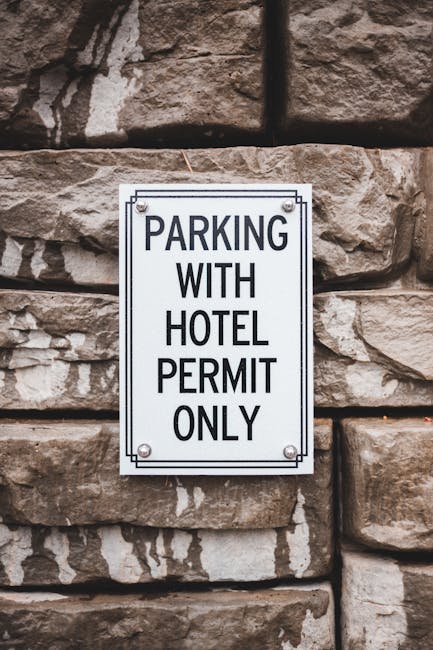
Just as importantly, parking arrangements help you stay on the right side of local rules. Councils can be strict about restrictions, and moving day is not the moment to gamble. Even if your move seems simple, a permit may be the difference between a clean handover and a stressful scramble to find space. And let's face it, moving days already come with enough chaos.
Expert summary: If your removal vehicle needs to stop near your property in Kingston, parking should be planned as carefully as packing. It protects time, reduces stress, and lowers the risk of disruption.
How Getting Kingston Council removal parking permits Works
The exact process can vary depending on the street, the type of bay or restriction in place, and whether you need a suspension, a dispensation, or another form of parking approval. The broad idea is simple: you ask the council for temporary permission to use a specific parking space or to pause normal restrictions for a short period while the move is taking place.
In a typical residential move, you will need to think about three things:
- Where the vehicle will stop - close enough to make loading practical.
- How long it will stay - just long enough for the move, not the whole day unless needed.
- What restrictions already exist - such as permit bays, yellow lines, shared-use bays, or time-limited restrictions.
For many people, the first step is checking what kind of parking is outside the property. That sounds small, but it matters. A wide road with free parking is a different job from a narrow one-way street where every bay is already spoken for. If you are using a larger vehicle such as a moving truck or planning a more complex household move, it is worth mapping out the vehicle position before the day arrives.
In practical terms, the process usually involves applying in advance, providing details about the date, location, vehicle, and the space needed, and then making sure the approval is clearly understood by the driver or removals team. If the move also includes furniture disposal or collection of larger items, a service like furniture pick up may need the same kind of parking planning. Different job, same headache if parking is ignored.
One detail people often miss: permit approval does not magically solve every parking issue. You still need to think about local access, road width, turning room, and whether neighbours or other vehicles might block the space before the van arrives. Parking permission is a tool, not a guarantee of a perfect bay waiting politely for you.
Key Benefits and Practical Advantages
Getting the parking side of a move organised brings more than just compliance. It affects how the whole day feels.
- Less time lost - the vehicle can park nearer to the entrance, which speeds up loading and unloading.
- Lower stress - the team can work without repeatedly hunting for a space.
- Reduced risk of delays - especially in busy roads, flats, or shared parking zones.
- Better safety - fewer long carries means less strain and a lower chance of damage.
- Clearer coordination - everyone knows where the vehicle is meant to be.
For people moving house, those benefits are obvious once the day starts. For businesses, the value can be even more practical. Staff are not standing around waiting for parking. Computers, chairs, and archive boxes can be moved in one run rather than several awkward trips. If your move is commercial, the parking plan should sit alongside broader planning for commercial moves or even a more structured office relocation service.
The benefits also show up in the smaller details. The removal team can keep better control of fragile items. The route in and out becomes easier. People can focus on the move itself instead of arguing with the street. It is one of those things you barely notice when it works, and definitely notice when it does not.
Who This Is For and When It Makes Sense
Not every move needs a formal parking arrangement, but plenty do. If you can park easily on private land or in a driveway, you may not need much more than good timing. If you are in a terraced street, a block of flats, or a controlled parking zone, that changes quickly.
This matters most for:
- Home movers in streets with limited kerb space
- People moving into or out of flats and apartments
- Families with a large number of boxes and furniture pieces
- Small businesses relocating stock, files, or office furniture
- Anyone using a van, truck, or larger vehicle for loading close to the property
If you are arranging a family move, parking is one part of the bigger picture. A full move often includes packing, transport, and unloading in a tight window, so services like home moves and house removalists are often planned with parking in mind from the beginning. In our experience, the earlier people think about access, the calmer the day feels. Simple as that.
It also makes sense for customers who are mixing services. Maybe you are moving house and need packing and unpacking services too. Maybe you are hiring a vehicle for a specific window. Maybe you are just trying to avoid the classic "we thought there would be space" conversation at 8:00 in the morning. Honestly, that conversation helps nobody.
Step-by-Step Guidance
If you want the process to feel manageable, break it into small steps. That is usually the trick with moving admin anyway.
- Check the parking situation outside the property. Look at signs, bay markings, yellow lines, access times, and any visible restrictions. If you are unsure, assume parking may be tighter than it looks.
- Measure the practical space needed. A small van and a large removal truck need very different access. Think about door clearance, kerb height, and whether the vehicle can actually stand where you need it to.
- Confirm the moving date and time. Councils often care about the exact slot, not just the day. Build in a little flexibility where you can.
- Identify who will apply. In some moves, the resident handles it. In others, the moving company does. Make sure one person owns the task so nothing gets duplicated or forgotten.
- Prepare the necessary details. Typically this means address information, dates, vehicle type, and the area of road or bay involved. Keep it tidy. The less scrambling, the better.
- Book the permit or parking arrangement early. Leave enough time for processing and any follow-up. Leaving it until the night before is, well, a bold choice.
- Share the approval with the driver or removals team. Make sure they know where to park, when it applies, and what to do if the space is occupied.
- Reconfirm the day before. Check for anything that might affect the space, such as roadworks, events, or neighbour vehicles.
A good rule of thumb: if the vehicle has to stop close to a property, treat parking as part of the move plan, not an afterthought. The same approach applies whether you are using a straightforward van job or a larger removal truck hire arrangement.
Expert Tips for Better Results
A few practical habits make a bigger difference than people expect.
- Start with access, not boxes. The first question should be "where will the vehicle sit?" not "how many cartons have we packed?"
- Use photos when discussing tricky streets. A quick photo of the road, bays, or frontage can help everyone understand the layout.
- Build a buffer into your schedule. If the parking arrangement takes a few minutes to sort on the day, you will be glad you did not schedule everything too tightly.
- Keep contact details handy. If the driver or team needs to confirm the parking spot, they should be able to reach someone quickly.
- Think about neighbours. If you can, give a bit of notice. It does not need to be dramatic; just enough to reduce surprise.
Another small tip: if you are moving office equipment, tell staff to leave a clear path between the building entrance and the vehicle area. That one little thing can save several repeated trips. In office moves, little efficiencies matter. They stack up fast.
Also, do not assume every street works the same way. Kingston has a mix of quieter roads, busier local routes, and tightly controlled parking areas. A plan that works on one street may be awkward on the next. Moving is rarely identical twice in a row, which is probably part of its charm, if you like that sort of thing.
Common Mistakes to Avoid
Most parking problems come from a handful of avoidable mistakes.
- Leaving it too late. This is the biggest one. The permit or parking arrangement should be sorted before moving day, not during it.
- Guessing the vehicle size. If the wrong vehicle is planned, the parking space may not work safely or legally.
- Ignoring nearby restrictions. A space can look available and still be unusable because of loading rules, resident bays, or timed restrictions.
- Forgetting access for neighbours. Blocking a shared route can create issues even if you have a permit.
- Assuming someone else has handled it. Movers, residents, landlords, and building managers can all assume the other person did the job. Spoiler: sometimes nobody did.
- Not checking on the morning of the move. A vehicle already in the space or a temporary restriction can change the plan fast.
One particularly common issue is underestimating how much space a moving vehicle needs once ramps are open and doors are swung wide. On paper, the road may look fine. In reality, it might feel tight the moment the team starts working. A calm check in advance avoids a very noisy improvisation later on.
Tools, Resources and Recommendations
You do not need a lot of fancy tools for this, but a few basic ones help.
- Phone photos of the road, kerbside, and entrance
- A simple written checklist of dates, addresses, and vehicle details
- Calendar reminders for permit deadlines and move-day reconfirmation
- Floor plan notes if large items need to come out in a certain order
- Contact details for the moving team, building manager, or key holder
If you are comparing moving support, it can also help to look at the type of service you actually need. For a smaller load, a man with van arrangement may be enough. For bigger loads or longer distances, a dedicated vehicle from removal truck hire can make more sense. The right transport choice and the right parking setup usually go hand in hand.
If you are still unsure how to line up the move itself, it may be useful to speak with a team that handles local moves regularly. You can also use the contact page to ask about timing, vehicle access, or whether a permit is likely to be needed for your street. A brief conversation now is far easier than a frantic one on moving morning.
Law, Compliance, Standards and Best Practice
Parking permissions for removal vehicles sit within local parking rules, road restrictions, and the council's own procedures. The safe approach is to treat the council's parking rules as the baseline and not to rely on assumptions. If a bay is controlled, if a road has restrictions, or if a space is not clearly unrestricted, check first. That is the sensible line.
Best practice usually includes:
- Applying in advance rather than on the day
- Using accurate vehicle details
- Respecting any time windows or conditions attached to the permission
- Making sure the vehicle does not block emergency access, driveways, or unsafe areas
- Keeping documentation or confirmation available during the move
For people handling a business move, compliance matters even more. Staff, visitors, and building managers all need to know what is happening. If you are moving offices or stock, parking should be considered alongside other planning tasks such as building access, lifting routes, and safe loading. That sort of planning is part of good moving practice, not just paperwork.
There is also a practical duty of care angle. A well-organised parking setup reduces pressure on the people carrying furniture or equipment. Less strain, fewer rushed turns, fewer unnecessary risks. It is not glamorous, but it is proper professionalism. And in moving, that counts.
Options, Methods and Comparison Table
Different moves need different parking approaches. Here is a simple comparison to help you think it through.
| Option | Best for | Pros | Watch-outs |
|---|---|---|---|
| Informal kerbside parking | Quiet streets with easy access | Simple, quick, no extra admin | Not suitable where restrictions apply or space is unreliable |
| Council parking permit or suspension | Controlled streets and tight access | Clearer control over the loading area, less disruption | Needs advance planning and accurate details |
| Private driveway or forecourt | Homes with off-street space | Very convenient, usually the easiest option | May still need traffic management if access is awkward |
| Nearby parking with longer carry distance | When direct access is not possible | Flexible if planned well | Slower, more physically demanding, and easier to damage items |
If you are weighing up whether to use a smaller vehicle or a full removals truck, think about the whole picture, not just capacity. A larger vehicle might mean fewer trips, but it also needs more careful parking. A smaller van can be easier to place, but may require more back-and-forth. Sometimes the "best" option is the one that fits the street, not just the sofa.
Case Study or Real-World Example
Picture a fairly typical Kingston flat move on a weekday morning. The property is on a residential street with limited space, a few permit bays, and a narrow section near the entrance. The family has packed most of their things the night before, but there are still some awkward bits: a chest of drawers, two bikes, a TV, and a stack of boxes that always seems to grow by itself.
Because the vehicle is planned in advance, the team knows where to stop and what space is needed. The driver arrives, parks close to the entrance, and the loading runs in one steady flow. No long carry around the corner. No guessing. The children are kept out of the way, the hallway stays clear, and the handover to the new owner happens without a last-minute parking headache. It is not dramatic. It is just smooth. And smooth is wonderful on moving day.
Now compare that with the version where parking is not sorted. The van arrives, the only available space is too far away, the team has to improvise, and the whole morning starts feeling rushed. Nothing catastrophic, just annoying enough to throw people off. That is usually how these things go. Small friction points become big ones when you are already tired.
Practical Checklist
Use this checklist before moving day. It is simple, but it catches the usual gaps.
- Confirm the moving date and time
- Check parking restrictions outside both properties if relevant
- Decide whether a council parking arrangement is needed
- Identify the vehicle type and approximate size
- Plan the closest safe stopping point for loading and unloading
- Share access notes with the driver or removals team
- Tell neighbours or building management if needed
- Keep confirmation details accessible on the day
- Recheck the space the morning of the move
- Have a backup plan if the spot is unexpectedly blocked
Quick takeaway: the best parking plan is the one that makes the move feel boring in the right way. Not exciting. Not stressful. Just sorted.
If you are still shaping the wider move, you may also want to review the support available for home moves or speak with a team through about us to understand how local moves are handled. The aim is not to overcomplicate it. The aim is to make it easier.
Conclusion
Getting Kingston Council removal parking permits is really about control. Control over time, access, stress, and the small details that can either help a move flow or grind it down. If you are moving in a busy street, dealing with limited bay space, or using a larger vehicle, parking should be planned early and treated as part of the core move, not a side note.
The good news is that once you break it into sensible steps, it is manageable. Check the street, understand the restriction, choose the right vehicle, and make sure the parking plan is clear before the boxes start coming down the stairs. That is the difference between a frantic morning and a decent one. And after all the lifting, tape, and decisions, a decent one feels pretty good.
Get a free quote today and see how much you can save.
Frequently Asked Questions
Do I always need a Kingston Council removal parking permit?
Not always. If you have reliable off-street parking or an unrestricted loading area, you may not need one. But if the vehicle has to stop on a controlled street, near permit bays, or in a tight residential road, it is often worth arranging parking properly.
How far in advance should I sort parking for a removal van?
As early as you can. Some arrangements need processing time, and you will also want a buffer in case details need checking. Leaving it until the final day is risky, especially in busier parts of Kingston.
What information is usually needed for the application?
Typically you will need the address, the moving date, the vehicle type, and details of the parking location or road space. It helps to keep the information neat and accurate, because little errors can create avoidable delays.
Can I arrange parking for a large removal truck?
Yes, but larger vehicles need more planning. Check whether the road can physically accommodate the truck, whether there is enough turning room, and whether the stopping point will allow safe loading. A bigger vehicle is not always better if the street is tight.
Is it better to use a permit or just find a space on the day?
If parking is uncertain, a permit or formal arrangement is usually the safer choice. Relying on luck can work on some streets, but it is a poor plan if the area is busy or controlled. A move day already has enough variables.
Who should apply for the parking permission, the resident or the removals company?
Either can do it, depending on how the move is organised. The most important thing is that one person takes ownership. If everybody assumes someone else has handled it, parking can become a last-minute problem.
What happens if another car is in the booked space?
That depends on the arrangement in place and the local rules, but in practical terms it can slow the move down. This is why checking the space before the vehicle arrives is so useful. A backup plan is always sensible.
Do parking arrangements matter for a small move?
Yes, they can. Even a small van may need to stop close to the entrance, particularly if you are moving from a flat or a street with limited access. Small moves can still become awkward without the right parking plan.
Should I tell my neighbours about the move?
If the street is tight or the vehicle may temporarily affect access, a quick heads-up is considerate and often helpful. It does not have to be a big announcement. Just enough to avoid surprise on the day.
What if I am moving both household items and office equipment?
Then treat parking as part of a broader move plan. Mixed moves often need careful timing because furniture, boxes, and equipment may be loaded in a specific sequence. That is where advance planning really pays off.
Can I use the same parking plan for moving in and moving out?
Sometimes yes, but do not assume it. The parking conditions at both addresses may be completely different. One property may have a driveway and the other may be on a controlled street. Check both sides separately.
What is the biggest mistake people make with removal parking?
The biggest mistake is treating parking as an afterthought. Once the van is on the way, problems become harder to fix. If you plan the space first, almost everything else gets easier. That is the honest truth.