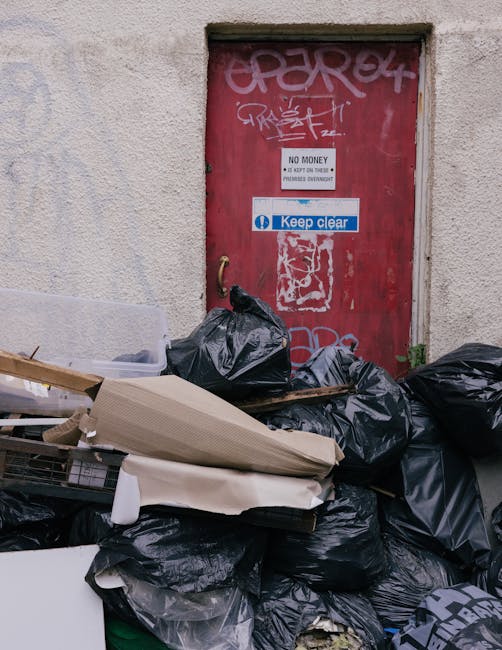
Avoid fines: bulky waste and skip alternatives in Kingston
If you have a sofa blocking the hallway, a broken wardrobe in the shed, or a pile of renovation offcuts staring at you from the driveway, you are probably trying to solve two problems at once: get rid of the waste quickly and avoid any awkward fines or complaints. That is exactly where bulky waste and skip alternatives in Kingston come in. Done properly, you can clear space without creating hassle for yourself, your neighbours, or your budget.
To be fair, most people do not think about disposal rules until they are already surrounded by bags, old timber, or a fridge that has somehow become heavier since it stopped working. This guide walks you through the practical options, the common traps, and the simplest ways to stay on the right side of local expectations. You will also find a few decision-making tips that save time, money, and a surprising amount of stress.
Whether you are a homeowner, landlord, tenant, tradesperson, or simply dealing with a one-off clear-out, the goal is the same: choose the right removal method for the job and avoid the kind of mistake that turns a tidy clear-up into an expensive headache.
Table of Contents
- Why Avoid fines: bulky waste and skip alternatives in Kingston Matters
- How Avoid fines: bulky waste and skip alternatives in Kingston Works
- Key Benefits and Practical Advantages
- Who This Is For and When It Makes Sense
- Step-by-Step Guidance
- Expert Tips for Better Results
- Common Mistakes to Avoid
- Tools, Resources and Recommendations
- Law, Compliance, Standards, or Best Practice
- Options, Methods, or Comparison Table
- Case Study or Real-World Example
- Practical Checklist
- Conclusion
- Frequently Asked Questions
Why Avoid fines: bulky waste and skip alternatives in Kingston Matters
Bulky waste sounds simple, but in practice it is one of those jobs where the details matter more than people expect. A mattress, a washing machine, a pile of broken fencing, and a few bags of rubble may all feel like "just rubbish", yet each item can need a different handling approach. Mix them together carelessly and the whole job becomes harder to move, harder to dispose of correctly, and potentially more expensive than it should be.
The reason this matters in Kingston is not just about convenience. It is about keeping the pavement clear, preventing fly-tipping, avoiding overfilled bins, and making sure waste goes to the right place. A bad disposal decision can create a fine risk, especially if waste is left where it should not be, placed in the wrong container, or handed to someone who is not properly handling it. Nobody wants a knock on the door because a skip was loaded badly or rubbish was dumped where it should not have been. That is the annoying bit, and yes, it happens more often than people think.
There is also the neighbour factor. In a dense residential area, a skip, a pile of unwanted furniture, or a jumble of loose debris can quickly become a nuisance. If it blocks access, attracts misuse, or spreads dust and debris, you may end up dealing with more than a tidy-up. Good planning reduces that risk right away.
Expert summary: The safest approach is usually the simplest one: separate what you have, match the disposal method to the waste type, and use a reputable local provider or council-approved route when needed. Small effort up front often prevents expensive mess later.
How Avoid fines: bulky waste and skip alternatives in Kingston Works
The process is straightforward once you break it down. First, identify what type of waste you actually have. Second, decide whether it can be reused, recycled, collected, or taken away in a different way. Third, choose the method that fits both the volume and the material. That is the basic framework, and it works well for most household and light commercial clear-outs.
For bulky waste, people usually mean large items that do not fit neatly into a normal wheelie bin or household bag. Think wardrobes, sofas, beds, appliances, garden furniture, or the "how did we accumulate this much?" pile from a loft clear-out. Skip alternatives cover the other side of the problem: ways to remove waste without hiring a traditional skip, or without needing the same level of space and permissions.
Some practical alternatives include man-and-van collection, wait-and-load services, council bulky item collection where available, or taking sorted waste to a suitable facility if you are able to transport it safely. Each option has strengths. Each has a point where it stops making sense. A half-empty skip for a few chairs is overkill. A van load of mixed rubble and old kitchen units is another story entirely.
One thing that catches people out is mixed waste. If you have timber, plasterboard, metal, soil, and old furniture all in one pile, the disposal route may change. Sorting at source is a bit boring, admittedly, but it often saves time and helps with compliance. And if you have ever lifted a wet carpet at 8 a.m. in winter, you already know that waste jobs are rarely as glamorous as they first appear.
Key Benefits and Practical Advantages
Choosing the right bulky waste or skip alternative is not only about avoiding fines. It can also make the entire job easier, cleaner, and more cost-effective.
- Less risk of improper disposal: Waste is more likely to go to the right destination if the method matches the material.
- Better use of space: In Kingston, where driveways, kerbs, and narrow access can be limited, a compact collection method may be far more practical than a skip.
- Lower disruption: Some alternatives avoid blocking the road or taking up outside space for days.
- More flexibility: Smaller loads, awkward items, and mixed clear-outs can often be handled more easily.
- Potentially lower overall cost: You may avoid paying for unused capacity or extra permits that you do not actually need.
There is a quieter benefit too: peace of mind. When you know the waste will be handled properly, you stop second-guessing every bag and board. You can get on with the actual project, which is usually the whole point. Simple, really.
For households doing a spring clear-out, this can mean the difference between a weekend of chaos and a smooth one-day reset. For landlords, it can mean a quicker turnaround between tenancies. For tradespeople, it can mean keeping a job tidy without leaving a mess behind for the next team.
Who This Is For and When It Makes Sense
This approach is useful for anyone dealing with more waste than a standard bin collection can handle, but not necessarily enough to justify a full skip. In practice, that includes a lot of people.
Homeowners clearing bulky household items
If you are replacing furniture, clearing a garage, or finally dealing with the old treadmill that has become a coat rack, bulky waste removal is often the cleanest route. It is especially useful when the items are large but not especially heavy or messy.
Tenants moving out
End-of-tenancy clear-outs often come with a last-minute rush. A sofa that will not fit through the stairwell, a mattress with years of life left in it except for the obvious, or a collection of kitchen odds and ends can all be handled more efficiently with the right collection method.
Landlords and letting agents
When a property is left with unwanted items, speed matters. You want the place cleared, but you also want to avoid disputes, fly-tipping risk, or a long wait for a bulky collection slot. Choosing carefully saves time and keeps the property presentable.
Tradespeople and renovators
Small refurb jobs often produce a strange mix of waste: packaging, broken fittings, old units, offcuts, and the occasional mystery item that has no obvious category. A skip can make sense, but not always. Sometimes a targeted collection or wait-and-load service is a better fit, especially on tighter sites.
People with limited access
If your street is narrow, parking is tight, or there is no obvious place for a skip, alternatives may simply be more practical. Kingston has plenty of locations where access is the real challenge, not the waste itself.
Step-by-Step Guidance
Here is a practical way to work through the decision without overthinking it.
- List the waste by type. Separate furniture, appliances, garden waste, rubble, timber, metal, and general clutter. If one item could be hazardous or needs special handling, set it aside.
- Estimate the volume. Is it a couple of items, a van load, or a full room? Volume matters more than people think. A small pile of heavy rubble can weigh far more than a pile of furniture.
- Check access. Can a vehicle stop safely nearby? Is there space for loading? Will stairs, tight turns, or parking restrictions make a skip awkward?
- Think about timing. Do you need it gone today, this week, or over a longer period? Fast removal is often worth paying a little more for if it prevents delays.
- Match the method to the job. Choose bulky collection, man-and-van, wait-and-load, recycling drop-off, or a skip only if it truly fits the waste and the site.
- Prepare the area. Clear a path, keep items dry if possible, and make sure anything reusable or personal has been removed. That small step saves awkward surprises.
- Confirm what is accepted. Ask about mattresses, appliances, plasterboard, paint, fridges, and mixed loads. These items often have different handling requirements.
- Book and supervise the handover. When the collection happens, stay available if possible. A quick check avoids misunderstanding, especially if there are items you want to keep or separate.
That is the basic sequence. Not flashy, but it works. And honestly, simple systems are usually the best systems.
Expert Tips for Better Results
In our experience, the best waste jobs are the ones where the sorting happens before anyone starts lifting. A little planning makes the removal smoother and can reduce the chance of having to rebook or pay for a second collection.
Keep recyclable materials separate
Metal, untreated wood, cardboard, and some appliances are often easier to handle when kept apart from general mixed waste. Even if the final collection service can take mixed loads, separation makes the process cleaner and more efficient.
Do not overfill containers or bags
People often try to get "just one more bit" into a bag or vehicle. It looks efficient. It usually is not. Overpacked waste is harder to move, can be unsafe, and may lead to extra charges or refusal to collect. A brutally ordinary lesson, but a useful one.
Protect shared spaces
If you are working in a block of flats or a shared street, keep the route tidy. Lay items flat where sensible, sweep up loose debris, and avoid leaving sharp edges exposed. Neighbours notice this stuff, even if they do not say much.
Plan around weather
A damp morning, a narrow pavement, and soggy cardboard can turn a quick job into a slippery one. If possible, avoid leaving waste exposed for longer than needed. Kingston weather does not always play along, let's face it.
Ask the awkward question upfront
If you are unsure whether an item is accepted, ask before collection day. The most common delays happen when someone assumes a service can take something unusual, then discovers the item needs separate handling.
Common Mistakes to Avoid
Most costly problems come from a handful of predictable mistakes. Avoid these and you are already ahead of the game.
- Leaving waste on the pavement or verge: If items are left where they should not be, you may attract complaints or enforcement action.
- Using the wrong container for the material: Mixed loads can be fine in some cases, but not all. Heavy rubble, electricals, and hazardous items often need specific handling.
- Choosing the wrong size of service: Too small means extra hassle. Too big means paying for space you never used.
- Ignoring access issues: A collection vehicle needs somewhere safe to stop. If access is tight, say so early.
- Forgetting about permits or permissions where relevant: A skip placed in a public area may need additional approval. If you are unsure, check before booking.
- Mixing items that should be separated: A mattress buried under garden waste is a classic example. It makes everything harder.
One very human mistake is assuming the job will sort itself out once the "big stuff" is gone. It rarely does. There is always a smaller, messier layer underneath. Always.
Tools, Resources and Recommendations
You do not need fancy equipment to manage bulky waste well, but a few simple tools make life easier.
- Heavy-duty gloves: Useful for sharp edges, dusty items, and lifting awkward materials.
- Ratchet straps or rope: Helpful if items need to be secured before transport.
- Tape and marker pens: Good for labelling items that should be reused, kept, or collected separately.
- Trolley or sack barrow: Worth it for appliances or heavy furniture, especially if you are moving items across a long path.
- Dust sheets or tarpaulin: Handy when keeping waste dry or protecting a hallway.
- Basic sorting bags or crates: Make it easier to separate reusable materials from general waste.
It is also worth checking the useful pages on this site before you plan anything else. The about us page can help you understand the approach behind the service, while the contact us page is the best place to start if you need a practical next step. For general site information, the homepage is a sensible place to begin.
If you want to understand how your details are handled, the privacy policy and terms and conditions are useful reference points. They are not the exciting part of waste removal, but they matter more than people admit.
Law, Compliance, Standards, or Best Practice
Waste disposal in the UK is regulated, and while the exact rules can vary depending on the item, location, and disposal route, the general principle is simple: waste must be handled responsibly and passed to an appropriate, legitimate operator. If you are arranging collection or transport, it is wise to be careful about who handles the waste and where it goes.
For homeowners, the practical takeaway is this: do not assume that leaving items outside automatically counts as collection. If waste is dumped, fly-tipped, or left in a place that causes obstruction, you can end up with enforcement issues. For landlords and tradespeople, the duty of care is even more important because you are often managing waste on behalf of someone else or from a business activity.
Best practice usually includes:
- sorting waste into clear categories where possible
- using a reputable collection route
- keeping records or booking details when appropriate
- checking whether items need special handling
- avoiding disposal methods that create public obstruction or nuisance
If you are in doubt, treat the job conservatively. That means do not guess. Ask, clarify, and make sure the waste is going where it should go. It is a small bit of caution that can prevent a much larger problem later.
Options, Methods, or Comparison Table
Different waste scenarios call for different approaches. Here is a simple comparison to help you choose the right one without getting lost in the details.
| Option | Best for | Advantages | Limitations |
|---|---|---|---|
| Bulky waste collection | Large household items, furniture, appliances | Convenient, targeted, often simpler than hiring a skip | May not suit mixed construction waste or very large volumes |
| Wait-and-load | Quick clear-outs, tight access, no storage space | No skip left on site, flexible in busy areas | Requires items to be ready at the agreed time |
| Man-and-van removal | Mixed loads, awkward items, smaller renovation waste | Flexible, useful for one-off jobs, less space needed | Not ideal for heavy hardcore in very large amounts |
| Traditional skip | Larger clear-outs, ongoing projects, heavier waste | High capacity, good for sustained work | May require space, time, and possible permission |
| Self-haul to a facility | People with suitable transport and sorted waste | Control, direct transport, useful for smaller loads | Requires your time, vehicle capacity, and safe loading |
The right choice depends less on theory and more on what you are actually dealing with. A single bulky sofa is not the same as a kitchen strip-out. Likewise, a narrow terraced street is not a builder's yard. Context matters.
Case Study or Real-World Example
A typical Kingston household clear-out might start with a couple of old wardrobes, a broken chest of drawers, a bed frame, and several bags of miscellaneous clutter from the loft. On paper, that sounds like a skip job. In reality, the driveway is short, the street parking is limited, and the household only wants the waste gone in one afternoon.
Rather than booking a skip and trying to fit everything in over a weekend, the residents separate reusable items, flatten what can be flattened, and check which parts are bulky furniture versus smaller general rubbish. They choose a collection approach that matches the access constraints and the actual volume. The result is much less disruption, fewer trips back and forth, and no awkward pile of waste sitting out overnight.
Now compare that with a small renovation project: old kitchen units, some packaging, and a manageable amount of timber offcuts. In that case, a skip might make more sense if the work is spread over several days. The real lesson is not that one method is always better. It is that the right method depends on the mix, the volume, and the site. Obvious, maybe, but easy to get wrong in the moment.
Practical Checklist
Use this checklist before you arrange any bulky waste or skip alternative in Kingston.
- Have I listed every item that needs removing?
- Have I separated reusable, recyclable, and general waste where possible?
- Do I know whether any item needs special handling?
- Is the access route clear for moving items safely?
- Have I checked whether a skip would need space, permissions, or extra planning?
- Do I know how quickly the waste needs to be gone?
- Have I asked whether the service accepts mattresses, appliances, rubble, or mixed loads?
- Have I protected floors, shared hallways, or outside areas if needed?
- Do I understand the terms, cost structure, and what happens if I add more waste later?
- Have I chosen the option that best fits the actual job, not just the cheapest headline price?
If most of those answers are clear, you are in good shape. If not, pause and sort the details first. It saves trouble, every time.
Get a free quote today and see how much you can save.
Conclusion
Getting rid of bulky waste in Kingston should not feel like a gamble. The safest and smartest approach is to match the disposal method to the waste, the access, and the timeline. That simple habit helps you avoid fines, reduce disruption, and keep the whole process under control.
Sometimes a skip is the right answer. Sometimes a smaller, more flexible alternative is better. The trick is knowing the difference before the pile starts growing in the corner of the garden. A little planning goes a long way, and honestly, that is usually enough to turn a messy job into a manageable one.
If you take one thing from this guide, let it be this: sort first, choose carefully, and never leave waste to chance. The room feels better afterwards. The street does too.
Frequently Asked Questions
What counts as bulky waste in Kingston?
Bulky waste usually means large household items that do not fit in normal bins, such as sofas, beds, wardrobes, white goods, and similar oversized items. Some services also handle garden furniture and larger clear-out items, depending on the material.
Is a skip always the best option for bulky waste?
No, not always. A skip is useful for larger or ongoing jobs, but it can be unnecessary for a few large items or for properties with tight access. In many cases, a bulky collection or wait-and-load service is more practical.
How do skip alternatives help avoid fines?
They can reduce the risk of placing waste where it should not be, overloading bins, blocking access, or arranging disposal in a way that leads to improper handling. The key is choosing a legitimate method that suits the waste type and location.
Can I mix furniture and garden waste in the same collection?
Sometimes yes, but not always. Mixed loads may be accepted by some services, while others prefer separation. It is best to ask before collection so you do not run into delays or extra charges.
Do I need permission for a skip in a residential area?
If a skip is placed on private land, permission may not be needed in the same way as for public space, but access and placement still matter. If it will sit on a road or pavement area, additional permissions may be relevant. Always confirm before booking.
What items usually need special handling?
Appliances, fridges, freezers, plasterboard, paint, chemicals, and some electrical items may need separate treatment. If in doubt, ask the provider rather than guessing. That small step avoids a lot of trouble.
Is man-and-van removal cheaper than a skip?
It can be, especially for smaller loads or awkward access, but it depends on the amount and type of waste. A skip may be better value for ongoing jobs or heavier waste. The cheaper option is the one that fits the job properly, not just the headline price.
How quickly can bulky waste be removed?
That depends on availability, the size of the load, and the method you choose. Some options are suitable for quick turnarounds, while others need more planning. If timing matters, mention it early when arranging collection.
What should I do before a collection arrives?
Sort the waste, clear a safe access path, remove anything you want to keep, and make sure the items are ready to load. If the collection involves shared spaces, protect the route and keep it tidy.
How can landlords manage bulky waste after a tenancy ends?
The best approach is usually to inspect the property promptly, identify what is left behind, and choose a removal method that clears the space quickly without creating more disruption. Good documentation helps too, especially if there is any dispute about the items.
What if I only have a few awkward items?
That is often exactly where skip alternatives shine. A few awkward items can be expensive or inefficient in a full skip, while a targeted collection may be quicker and more sensible.
Where can I find more information before booking?
Start with the main site, then check the relevant support pages such as the contact us page for direct help. If you want to understand the company background and policies first, the about us, privacy policy, and terms and conditions pages are useful to review.